
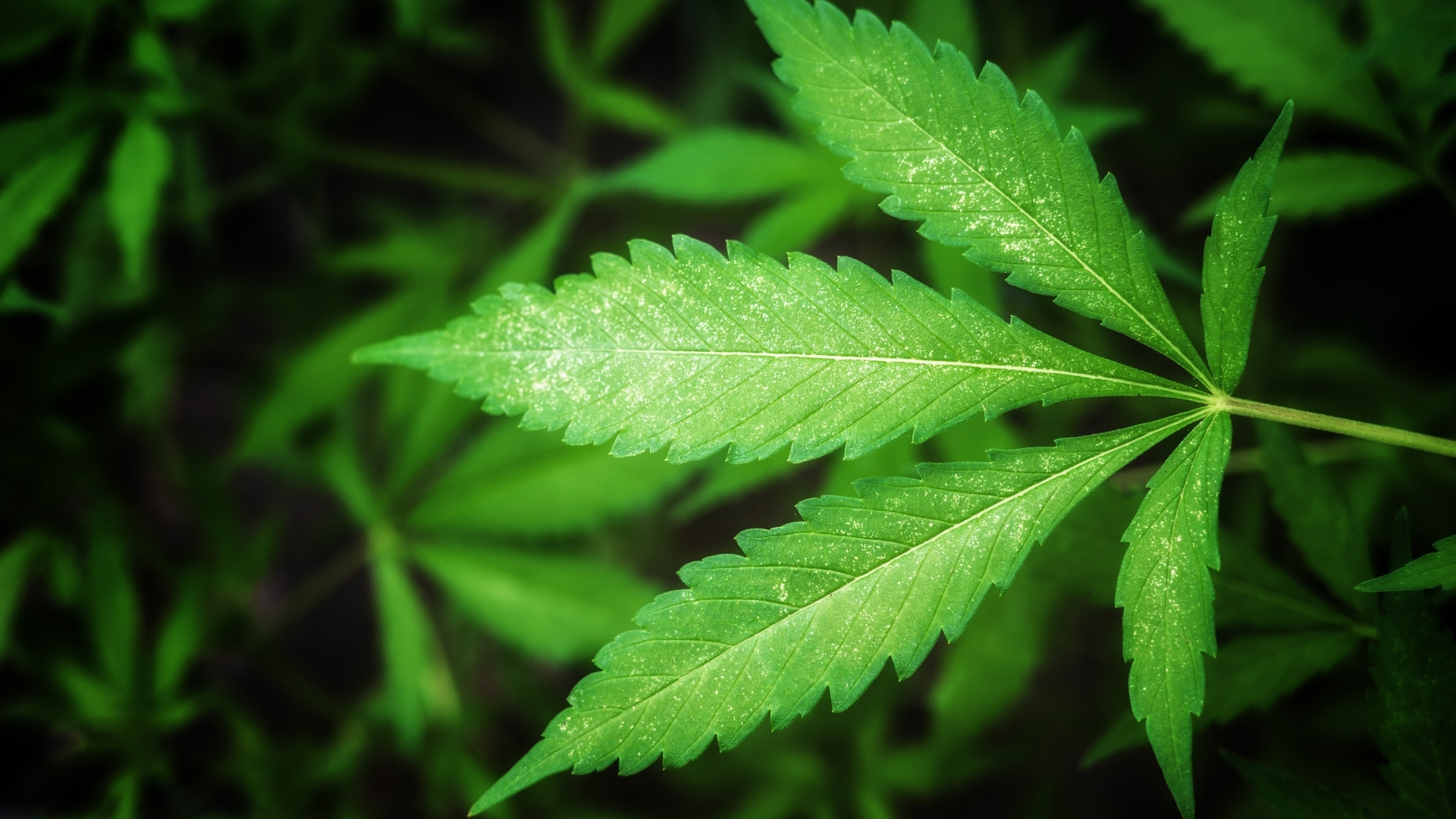
If you have spent any time researching cannabis, you have likely come across two terms over and over: THC and CBD. They both come from the same plant, are widely used for therapeutic purposes, and yet work in completely different ways. Understanding the distinction between the two is one of the most important steps you can take before walking into a dispensary or starting a cannabis wellness routine.
This guide breaks down exactly what THC and CBD are, how each works in the body, which conditions they are best suited for, and how to decide which is right for your goals.
What Is THC?
THC, short for tetrahydrocannabinol, is the primary psychoactive compound in the cannabis plant. It is responsible for the “high” most people associate with marijuana use. Beyond its psychoactive properties, THC is also one of the most therapeutically active compounds in cannabis, with a well-documented list of medical applications.
THC works by binding directly to CB1 receptors in the brain and central nervous system. This binding triggers a release of dopamine, which creates the euphoric effect associated with cannabis use. At the same time, it activates pain-modulating pathways, reduces nausea, stimulates appetite, and can produce sedation at higher doses.
THC is the dominant compound in most recreational cannabis products and is also a critical component in many medical formulations, particularly for patients managing severe pain, appetite loss, nausea, and sleep disorders.
What Is CBD?
CBD, short for cannabidiol, is the second most prominent compound in the cannabis plant. Unlike THC, CBD is non-psychoactive, meaning it does not produce a high or alter your state of mind. This makes it an appealing option for patients who want the therapeutic benefits of cannabis without the intoxicating effects.
CBD does not bind directly to CB1 or CB2 receptors the way THC does. Instead, it modulates the endocannabinoid system indirectly, influencing how the body produces and uses its own cannabinoids. It also interacts with serotonin receptors, vanilloid receptors, and several other pathways that regulate mood, inflammation, and pain perception.
CBD has gained significant mainstream attention for its use in managing anxiety, inflammation, epilepsy, and a wide range of neurological conditions. It is also the basis of Epidiolex, the first FDA-approved cannabis-derived medication, used to treat rare forms of epilepsy.
How THC and CBD Work Together
One of the most important concepts in cannabis science is the entourage effect. This is the theory that cannabinoids, terpenes, and other compounds in the cannabis plant work more effectively together than in isolation.
When THC and CBD are used together, CBD can actually moderate some of the stronger psychoactive effects of THC, reducing anxiety and increasing the therapeutic window. This is why many medical patients prefer full-spectrum products or balanced THC: CBD formulations rather than pure isolates of either compound.
A 1:1 THC to CBD ratio is one of the most commonly recommended starting points for new medical cannabis patients because it delivers meaningful pain and anxiety relief while keeping psychoactive effects manageable.
THC vs. CBD: Key Differences at a Glance
Psychoactive Effect: THC produces a noticeable high. CBD produces no psychoactive effect at any dose.
Receptor Binding: THC binds directly to CB1 and CB2 receptors. CBD modulates the endocannabinoid system indirectly.
Legal Status: CBD derived from hemp with less than 0.3% THC is federally legal in the U.S. THC remains federally classified as a Schedule I substance, though it is legal for medical and/or recreational use in the majority of states.
Drug Testing: THC metabolites are detectable on standard drug tests for days to weeks after use. CBD products that are fully THC-free will not trigger a positive result, though trace amounts in full-spectrum CBD products can occasionally cause issues.
Side Effects: THC can cause anxiety, paranoia, dry mouth, and increased heart rate, particularly at higher doses. CBD is generally very well tolerated with minimal side effects, even at high doses.
What Is THC Best For?
THC tends to be the more effective compound for conditions that require stronger, faster-acting relief. Patients typically turn to THC for:
Severe or acute pain: THC activates pain-blocking pathways in the brain more directly than CBD, making it the preferred compound for high-intensity pain.
Nausea and vomiting: THC is one of the most effective anti-nausea agents available, particularly for chemotherapy patients.
Appetite stimulation: For patients dealing with cancer, HIV, or eating disorders, THC is highly effective at restoring appetite.
Insomnia and sleep disorders: Higher-THC indica strains are widely used for patients who struggle to fall or stay asleep.
PTSD: THC can reduce the frequency and intensity of nightmares and intrusive thoughts associated with PTSD, particularly at moderate doses.
What Is CBD Best For?
CBD shines in situations where patients want ongoing, functional relief without cognitive impairment. It is particularly effective for:
Anxiety and stress: CBD interacts with serotonin receptors in a way that produces a calming effect without sedation, making it suitable for daytime use.
Inflammation: CBD is a potent anti-inflammatory agent, useful for conditions like arthritis, Crohn’s disease, and general musculoskeletal pain.
Epilepsy and seizure disorders: CBD has the strongest clinical evidence base of any cannabinoid, with FDA-approved applications in pediatric epilepsy.
Mild to moderate pain: For patients who need daytime pain management without psychoactive effects, CBD tinctures and topicals offer consistent, functional relief.
Skin conditions: Topical CBD has shown promise for psoriasis, eczema, and localized inflammation when applied directly to affected areas.
Which One Is Right for You?
The answer depends on your condition, your lifestyle, and your comfort level with psychoactive effects.
If you are managing severe symptoms, dealing with nighttime pain or insomnia, or need rapid relief from nausea, a THC-forward product is likely the better fit. If you are managing anxiety, mild to moderate inflammation, or need to stay sharp and functional throughout the day, CBD or a CBD-dominant formulation is the stronger choice.
For many patients, the most effective approach is not choosing one over the other but finding the right ratio of both. A consultation with the team at KAV THC helps you map your specific symptoms to the formulation most likely to deliver results.
Here is a simple framework to guide your decision:
Choose THC-dominant if you: have severe pain, struggle with sleep, experience nausea, or want fast-acting relief.
Choose CBD-dominant if you: manage anxiety, need daytime relief, want no psychoactive effect, or are new to cannabis.
Choose a balanced 1:1 ratio if you: want broad-spectrum relief, are sensitive to high-THC effects, or are just starting and want a manageable introduction.
Understanding Labels and Product Types
When shopping at a dispensary, products are typically labeled with their THC and CBD content by percentage or milligrams. Here is what to look for:
Full-spectrum products contain all cannabinoids, including THC, CBD, and trace compounds. These deliver the entourage effect and are generally preferred for therapeutic use.
Broad-spectrum products contain multiple cannabinoids but have THC removed. A good option for patients who need to avoid THC entirely.
CBD isolate is pure CBD with no other cannabinoids. Precise and predictable, but lacks the synergistic benefits of full-spectrum formulations.
THC isolate or distillate, is highly concentrated THC used in edibles, vapes, and tinctures. Potent and fast-acting but without the moderating influence of CBD.
Frequently Asked Questions About THC and CBD
Can I take THC and CBD together? Yes, and for most therapeutic applications, this is actually recommended. CBD moderates the psychoactive intensity of THC while extending its therapeutic benefits.
Will CBD show up on a drug test? Pure CBD isolate will not. However, full-spectrum CBD products contain trace amounts of THC that can accumulate with regular use and potentially trigger a positive result.
Is CBD addictive? No. CBD has no abuse potential and is not associated with physical dependence. The World Health Organization has concluded that CBD exhibits no potential for addiction.
Can I get too much THC? Yes. Overconsumption of THC can cause significant anxiety, paranoia, and disorientation. This is why starting with a low dose and increasing gradually is essential, especially for new patients.
Is one compound safer than the other? Both are considered safe when used appropriately. CBD has a wider therapeutic window with fewer side effects at higher doses. THC requires more careful dosing, particularly for patients with anxiety or a sensitivity to psychoactive effects.
Do I need a medical card to access THC products? In states where only medical marijuana is legal, yes. In states with adult-use laws, no card is required. A medical card typically gives you access to higher-potency products and reduced tax rates.
Find Your Perfect Balance at KAV THC
Understanding the difference between THC and CBD puts you in a much stronger position to make decisions that actually serve your health. Whether you need the full power of THC, the clean relief of CBD, or the best of both through a balanced formulation, the right product is out there.
At KAV THC, our team helps patients navigate these choices every day with honest, knowledgeable guidance and a curated product selection built around real therapeutic outcomes.
Schedule a consultation today and find the formulation that works for you.